3 Wheat Berry Spawn Jars
3 Wheat Berry Spawn Jars
Couldn't load pickup availability
Warranty & Refund Policy
Warranty & Refund Policy
Within the first 30 days of placing your order we guarantee that your substrate product is free from defects or we will replace it and ship the replacement product for free. If the product has been already been used we will issue a store credit only for product purchase price minus a 20% processing fee. Shipping fees and sales tax are non-refundable.
To file a claim please take at least 3 close up photos of the injection port and each bag or jar showing us the issue so we can review your claim. We offer replacement products only on defective or damaged products. No need to return products.
Spawn Bag & Jar Tips
Spawn Bag & Jar Tips
After injecting your bag or jar, give it a gentle shake. For bags, make sure any grains stuck in the upper portion are knocked down so they can colonize properly. There’s no need to break up the spawn during colonization unless you prefer to. If you choose to do so, wait until the bag or jar is roughly 50% colonized before mixing.
User Guide
User Guide
Download our substrate inoculation guide here.
Rewards Program
Rewards Program
Set up an account and you'll automatically be enrolled. Start earning $5 in rewards for every $100 spent.
SKU: SKU:WHEATJARS


Features
- Self-healing injection port
- .22 micron gas exchange filter
- 32 ounce Mason jar
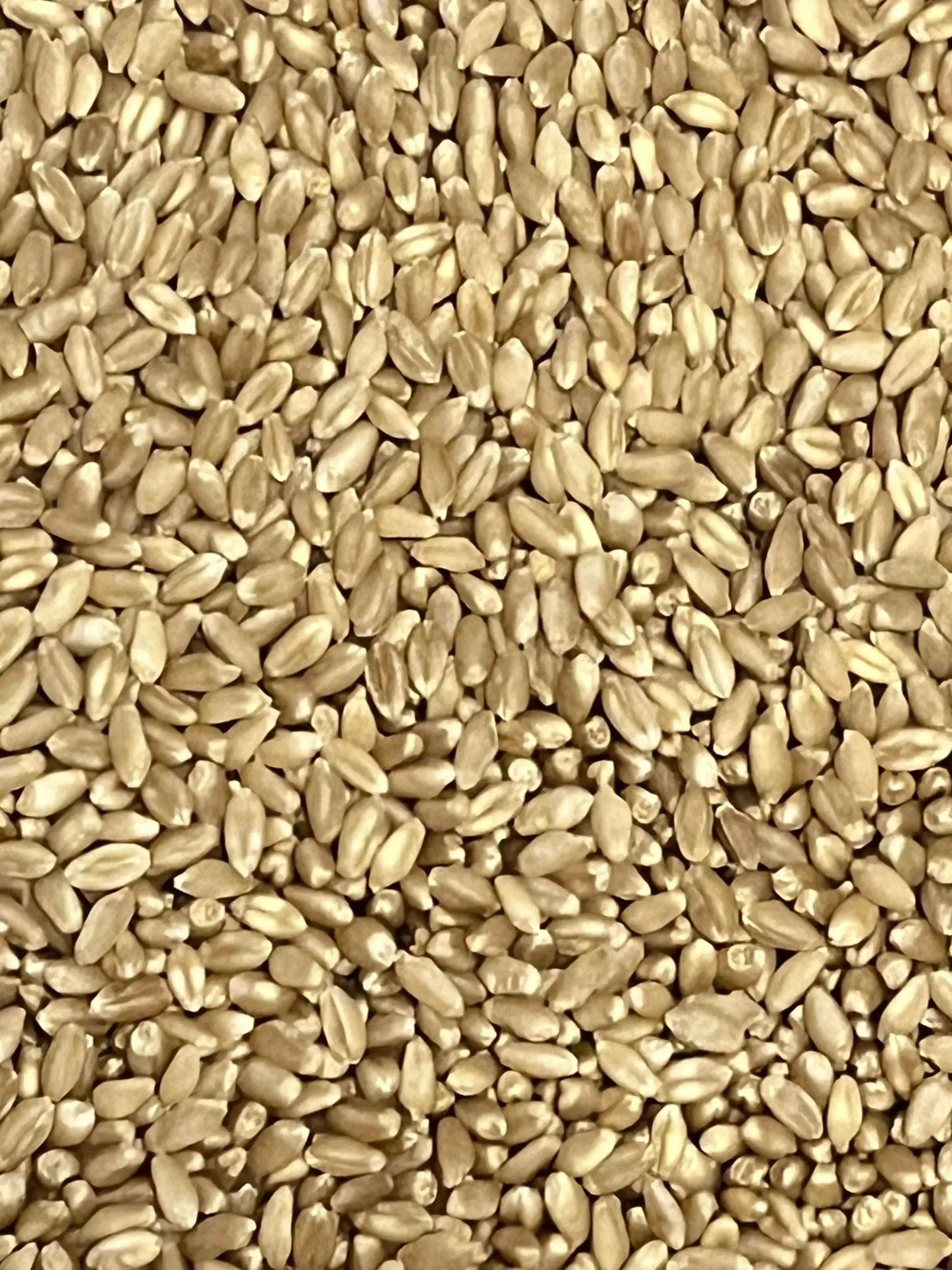
- 3 Jars per order each filled with 1 pound of hydrated Certified Glyphosate Residue Free hard white wheat berries fortified with gypsum.
- Sterile and ready-to-use out of the box.
- Made-to-order
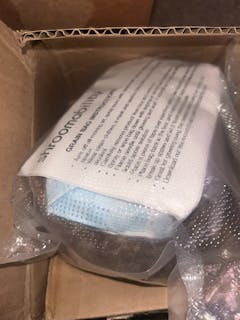
- Includes nitrile gloves, alcohol swabs and a face mask.
- We prefer wheat over rye when making our own personal substrates and we're sure you will too. Wheat is twice the cost of rye grain, hence the higher price for this item.
Please allow 2-3 business days before item ships.
Simply inject 3cc of your favorite mushroom spore solution or liquid culture solution into the jar, shake it up and that's all there is to it.
Allow jars to fully colonize at room temperatures for your species.
Colonized wheat can be used for grain transfers, added to sterilized distilled water to make liquid culture, or layered with casing mix for monotub grows.